

The Maasai are one of the most iconic and culturally rich indigenous communities of East Africa, living mainly in northern Tanzania and southern Kenya. Known for their distinctive red clothing, beadwork, and deep connection to nature, the Maasai have preserved their traditions for centuries while living alongside modern society.
The Maasai are a Nilotic ethnic group believed to have migrated from the Nile Valley to East Africa over 500 years ago. Historically semi-nomadic pastoralists, their lives have always revolved around cattle, which represent wealth, status, and spiritual significance. Despite colonial pressures and modern development, the Maasai have maintained a strong cultural identity.
Maasai culture is built on community, respect, and tradition:
Cattle are central to daily life, ceremonies, and social status
Age-set systems guide social roles from childhood to elderhood
Traditional dances, including the famous Adumu (jumping dance), symbolize strength and unity
Beadwork is worn by both men and women, with colors representing age, status, and milestones
Their traditional homes, called Manyattas, are built from natural materials like mud, sticks, and cow dung, reflecting harmony with the environment.
Maasai clothing is instantly recognizable. The Shúkà, usually red or blue, is worn to symbolize bravery and protection. Intricate beaded jewelry plays a vital role in ceremonies such as weddings, initiation rites, and celebrations. Each color has meaning:
Red – bravery and strength
White – peace and purity
Blue – energy from the sky and rain
Green – land and health
The Maasai speak Maa, alongside Swahili and English. Spiritually, they believe in Enkai (Engai), a single god associated with rain, fertility, and life. Nature plays a sacred role in Maasai beliefs, reinforcing their respect for land and wildlife.
Today, many Maasai balance traditional lifestyles with modern education, tourism, and conservation efforts. Maasai communities play an important role in protecting wildlife and supporting sustainable tourism around national parks such as Serengeti, Ngorongoro, and Amboseli.
Visiting a Maasai village offers travelers a meaningful cultural exchange while directly supporting local communities.
The Maasai represent resilience, heritage, and harmony with nature. Their culture offers valuable lessons about community, sustainability, and respect for the environment, making them an essential part of East Africa’s identity.
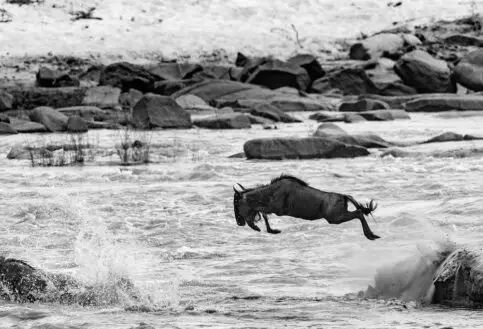
Embark on an 8-day safari to witness the Great Migration and dramatic river crossings. See wildebeest, zebras, and predators in action across Tanzania’s iconic parks.
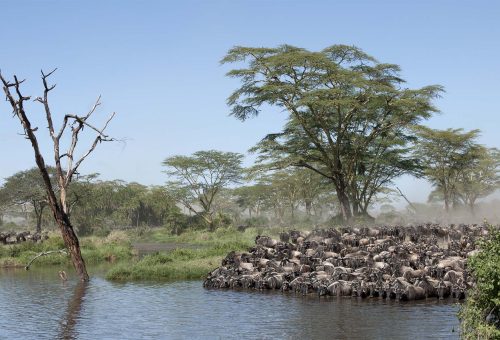
Experience the epic Great Migration and thrilling river crossings on a 7-day safari through Tanzania’s iconic national parks, witnessing wildebeest, zebras, and predators in action.
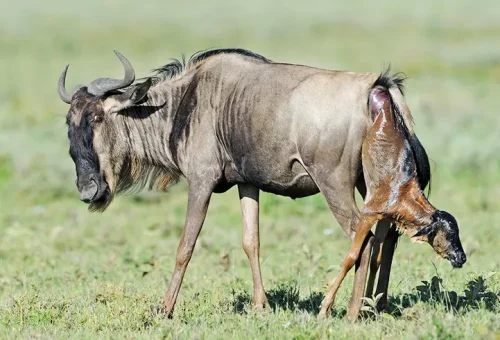
Witness newborn wildebeest and predator action during Tanzania’s thrilling calving season on this 6-day safari with Wild Rhythm Adventures Team
Our guests love their adventures with us! From the thrill of climbing Kilimanjaro to the excitement of a Tanzania safari, we create unforgettable experiences. With expert guides and stunning landscapes, we make every journey special. Hear from our happy travelers and start your adventure today!
Posted onVerified A Life time Adventure An unforgettable lifetime adventure! Everything from the scenery to the experience itself was incredible. I was exciting well organized and full of memorable moments. I met amazing people saw breathtaking places and created memories that will stay with me forever. Highly recommend Wild Rhythm Adventures for a life time adventurePosted onVerified Dream Mount Kilimanjaro trip!! February 2026 I did the Lemosho route & summited beautiful Mt. Kilimanjaro!! thanks to my guide Oscar and four porters w/ Wild Rhythms Adventures I made this dream come true! They were super friendly and professional to the Max! They always had my tent set up and hot tea/hot chocolate/coffee things ready by the time I got to lunch camp or dinner camp. The guides spoke excellent English. Owner of the company Hamadi was able to answer many questions in advance. They rent all of the gear that you might need as well by the way I highly recommend Wild Rhythms Adventure! They are small, local and just the kind of company that you want to supportPosted onVerified The trip of a life time in Tanzania I had an amazing experience climbing Mount Kilimanjaro and going on safari with Wild Rhythm Adventures. Everything was perfectly organized, and the team was professional and supportive throughout the entire trip. Our safari guide, Ian, was outstanding—knowledgeable, friendly, and incredibly skilled at spotting wildlife. He made every game drive exciting and educational, and thanks to him we saw so many amazing animals up close. I highly recommend Wild Rhythm Adventures to anyone looking for a well-organized, safe, and unforgettable Tanzania adventure!Posted onVerified A life time adventure My trip to Tanzania was excellent with Wild Rhythm Adventures. I traveled with my friends for a Serengeti safari and a day trip to Kilimanjaro. Everything was well organized, and the experience was amazing. I highly recommend them.Posted onVerified Amazing Experience with Wild Rhythm Adventures The 6 day machame route was well organized, and incredibly rewarding. The team were professional supportive and always focused on safety. After climb we were on safari Tarangire and Ngorongoro Crater was the perfect way to relax and explore Tanzania’s wildlife Every thing ran smoothly start to finish. Highly recommend Wild Rhythm Adventures for both trekking and safari experiencePosted onVerified 5 day Tanzania The 5 day safari was truly amazing. The company was very organized from first day up last. Everything ran smoothly and guides were highly experienced and professional. I highly recommend Wild Rhythm AdventuresPosted onVerified Amazing Kilimanjaro & Safari with Wild Rhythm Adventures Our experience with Wild Rhythm Adventures was unforgettable. The Kilimanjaro trek was well-organized, with skilled guides, supportive porters, and delicious food. Reaching the summit was an incredible achievement. The 4-day safari was equally amazing—comfortable vehicle, knowledgeable guide, and breathtaking wildlife sightings in Tarangire, Serengeti, and Ngorongoro. Accommodations were excellent, and the team ensured a smooth, enjoyable trip throughout. We highly recommend Wild Rhythm Adventures for anyone seeking a safe, well-managed, and truly memorable Tanzanian adventure.Posted onVerified Best of best We had a two days safari, Tarangire and Ngorongoro, everything was on plan the accommodation was perfect at Karatu, we had a lot to see, so many elephants at Tarangire and amazing lions in the crater, we recommend wild rhythm they are the bestPosted onVerified MERRY XMASS AND HAPPY NEW YEAR IN TANZANIA I had an incredible experience with WildRhythm during my 6-day Mount Kilimanjaro climb via the Marangu Route, followed by a 2-day safari to Tarangire and Lake Manyara. The entire trip was well organized from start to finish. The mountain guides were highly professional, knowledgeable, patient, and very supportive throughout the climb. Safety, motivation, and care were clearly their top priorities, which made the journey enjoyable and successful. The safari experience was equally amazing. We saw a wide variety of wildlife in Tarangire National Park and enjoyed the beautiful landscapes and tree-climbing lions in Lake Manyara. The safari guide was experienced, friendly, and made sure we had the best sightings and experience possible. Overall, WildRhythm exceeded my expectations. I highly recommend them to anyone planning a Kilimanjaro climb or a safari in Tanzania. Thank you, WildRhythm, for an unforgettable adventure! 🌍🏔️🦁Posted onVerified Rafiki team Great Kilimanjaro Experience – 7-Day Machame Route I had an amazing experience climbing Mount Kilimanjaro via the 7-day Machame Route with WildRhythm Adventures. Everything was well organized, and the guides were professional, supportive, and very focused on safety and acclimatization. The porters and support team were fantastic, the food was good, and the camps were always well prepared. The Machame Route is incredibly scenic, and reaching the summit was an unforgettable moment. I highly recommend WildRhythm Adventures to anyone planning to climb Kilimanjaro. A truly memorable adventure. Rafikii👊🏾