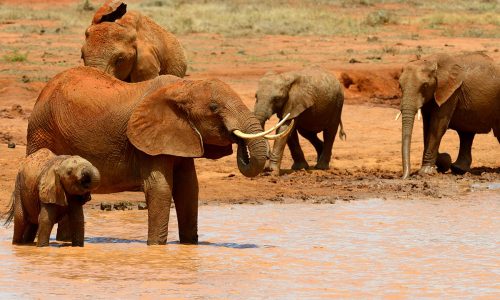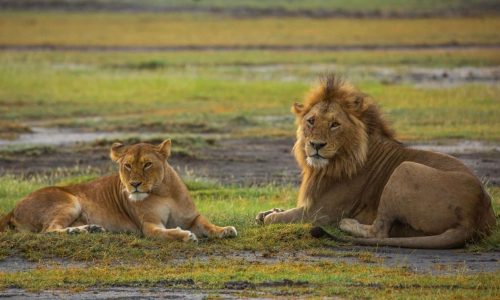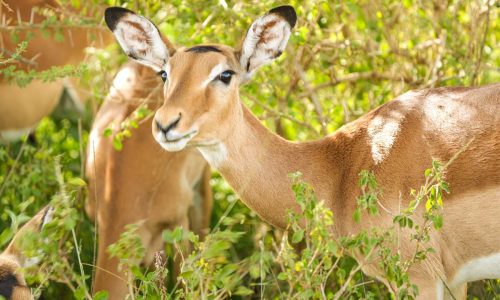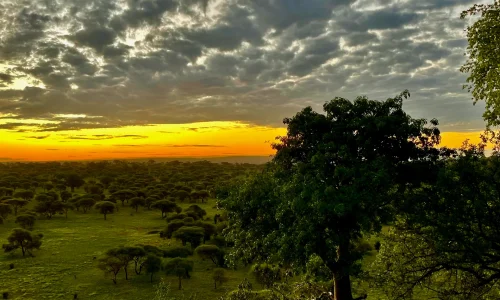

Tarangire National Park is named after the Tarangire River, the area’s main source of fresh water during the dry season and a vital gathering point for wildlife. Here, you’ll spot large herds of elephants resting along the riverbanks, as well as lions, cheetahs, buffalo, and other iconic animals of the African savannah.
The park’s scenery is just as captivating. You’ll pass through acacia woodlands, marvel at towering century-old baobabs, and enjoy exceptional birdwatching — Tarangire is home to over 550 recorded bird species.
Covering 2,850 km² (1,100 sq mi), Tarangire is larger than Monaco and Vatican City combined. A drive through the park typically takes 4 to 5 hours, revealing a varied landscape of granite ridges, river valleys, seasonal swamps, and salt flats that attract flamingos during dry spells.
If you’re looking to experience the raw beauty of untamed African wilderness, Tarangire should be high on your list.
Tarangire National Park is in the Manyara Region of northern Tanzania, approximately 2–3 hours’ drive from Arusha. Its proximity to Lake Manyara National Park and the Ngorongoro Crater makes it an ideal stop on multi-day safari circuits.
Tarangire is known for its striking landscapes and unique vegetation:
These features make Tarangire visually stunning and perfect for wildlife spotting.
Tarangire National Park is a wildlife haven with large concentrations of animals, especially during the dry season:
One of the main ways to explore Tarangire is by going on game drives in 4×4 vehicles or taking scenic hot air balloon rides. You can also enjoy exciting night drives, walking safaris, and bush hikes — both inside the park and in nearby conservation areas.
Night game drives
Armed with powerful spotlights and accompanied by an experienced guide, you’ll set off on an unforgettable adventure after sunset. While the park is quieter at night than during the day, this is when the elusive nocturnal animals of the savanna come to life — creatures rarely seen in daylight. These drives take place both within Tarangire itself and in surrounding areas. To join a night safari, you’ll need to stay at a lodge inside the park or on its border.
Hot air balloon rides
Like many Tanzanian national parks, Tarangire does not allow drones. However, you can still enjoy breathtaking aerial views during a hot air balloon safari. It’s a chance to take stunning photos and videos of the park’s dramatic landscapes from above.
Walking safaris
A bush walk — a guided stroll through the savanna — offers a completely different experience from traditional vehicle safaris. It’s a great way to add variety to your trip, stretch your legs, and explore the landscape up close. A walking safari usually lasts around 1 to 1.5 hours and is led by an armed ranger who ensures your safety and shares fascinating insights about the local plants and animals. You’re less likely to encounter large exotic wildlife on foot, but you’ll have better opportunities to observe birds and smaller creatures in their natural habitat.
Dry Season (June – October)
Best for wildlife viewing
Elephants and other animals gather near rivers
Clear skies and excellent visibility
Wet Season (November – May)
Lush landscapes and fewer tourists
Some wildlife is dispersed
Great for birdwatching and photographing green scenery
Tarangire National Park offers a peaceful safari experience away from the crowds, with stunning landscapes and abundant wildlife. It’s ideal for elephant lovers, birdwatchers, and photographers, and fits perfectly into northern Tanzania safari circuits including Lake Manyara National Park and the Ngorongoro Crater.