The Serengeti is one of the most iconic wildlife destinations on Earth — a vast, untamed wilderness where the rhythms of nature play out on an epic scale. But timing your visit is everything. Whether you want to witness river crossings during the Great Migration, see newborn wildebeest calves in the southern plains, or enjoy quiet game viewing with fewer crowds, the month you choose makes all the difference.
In this guide, we break down the Serengeti month by month — covering weather, wildlife movements, crowd levels, and what makes each season special. By the end, you'll know exactly when to plan your safari for the experience you're after.
Quick Answer
The best time for game viewing in the Serengeti is June to October (dry season). For the Great Migration river crossings, aim for July to September. For calving season and predator action, visit January to February. For lower prices and fewer crowds, consider the green season (November to April).
Quick Overview: Months at a Glance
Understanding Serengeti's Seasons
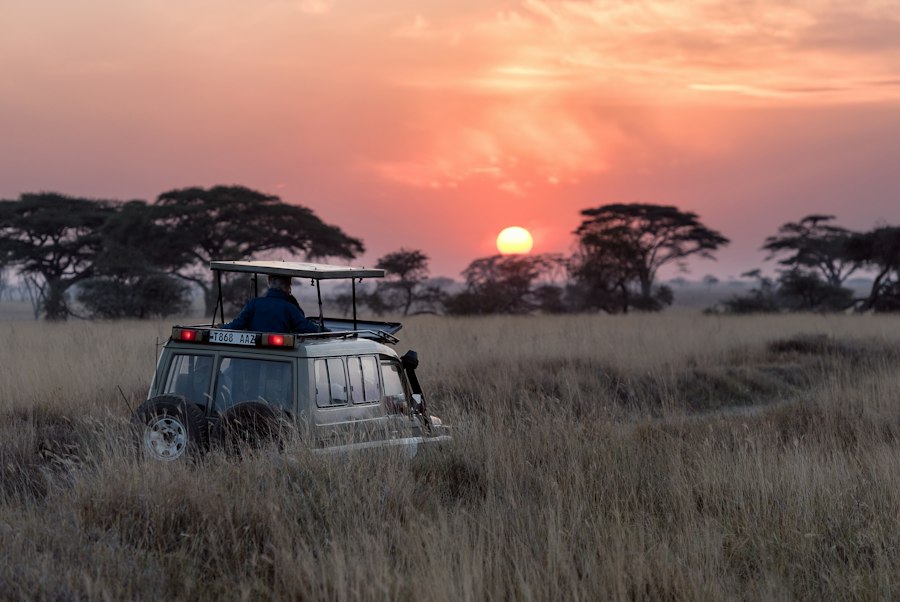
The Serengeti has two distinct seasons: the dry season (June to October) and the wet season (November to May). Each offers a completely different experience — from golden savannahs teeming with wildlife around waterholes to lush green plains dotted with newborn calves and wildflowers.
The Great Migration: What It Actually Looks Like Month by Month
The Great Migration is a continuous, year-round movement of over 1.5 million wildebeest, 500,000 zebras, and 200,000 antelopes following rainfall patterns. Here's where the herds are each month:
January – February: Calving Season in the Southern Serengeti
The herds gather on the short-grass plains of the Ndutu area, just south of the Serengeti proper. This is where nearly 500,000 wildebeest calves are born over a few weeks. The concentration of vulnerable newborns attracts lions, cheetahs, hyenas, and leopards — making this the best time of year for predator action. The landscape is green and dotted with wildflowers, creating stunning photographic opportunities.
"February in Ndutu is pure magic. You'll see newborn calves taking their first wobbly steps while lions stalk nearby — raw Africa at its most dramatic."
— Sarah Mwangi, Safari Guide
March – May: The Long Rains & Migration North
As the rains intensify, the herds begin their gradual move north through the central Serengeti (Seronera area). March sees the last of the calving, while April and May bring the heaviest rainfall. Many lodges and camps close during April, and some roads become difficult to navigate. However, this is also the most affordable time to visit, with dramatically lower rates and almost no crowds. The scenery is incredibly lush, and bird watching is at its best.
June – July: The Western Corridor & Grumeti Crossings
By June, the rains have stopped and the dry season is in full swing. The herds push west toward the Grumeti River, where the first dramatic river crossings begin. July is the peak of these crossings, with crocodiles lying in wait. This is also when the migration enters the western corridor of the Serengeti, offering exceptional game viewing as animals concentrate around remaining water sources.
August – October: Northern Serengeti & Mara River Crossings
August through October is the most famous period for witnessing the Great Migration. The herds reach the northern Serengeti and cross the Mara River into Kenya's Masai Mara. These river crossings are the most dramatic of the entire migration — massive herds plunging into crocodile-infested waters. This is peak tourist season, so expect higher prices and more vehicles at crossings. September and October see the herds spread across the Mara ecosystem before beginning their journey south again as the short rains approach.
November – December: The Return South
The short rains arrive in November, triggering the herds' return to the southern Serengeti plains. The landscape transforms from dusty gold to vibrant green. This is a beautiful and underrated time to visit — good game viewing, fewer crowds, and lower shoulder-season rates. By December, the herds are settling back on the Ndutu plains, ready for calving season to begin again.
Pro Tip: When to Avoid
If you're set on witnessing dramatic river crossings, avoid January to May (herds are in the south/central) and November to December (herds are moving but not concentrated). For the best river crossing action, book July to September at least 6-8 months in advance.
Weather & Climate by Season
The Serengeti has a pleasant year-round climate, but temperatures and rainfall vary significantly:
- Dry Season (June – October): Daytime temperatures average 25-28°C (77-82°F). Nights can be cool, dropping to 12-15°C (54-59°F). Almost no rainfall. Clear blue skies. Ideal game viewing conditions as animals gather at water sources.
- Green/Wet Season (November – May): Daytime temperatures reach 28-32°C (82-90°F). Afternoon thunderstorms are common, especially in April. Lush green landscapes. Migratory birds arrive. Fewer tourists and lower rates outside the December holiday period.
Month-by-Month Wildlife Viewing Guide
January-February: ★★★★★ — Calving season. Predator action at its peak. The southern Serengeti and Ndutu region are the places to be. Cheetahs and lions are particularly active.
March-May: ★★★ — The herds are scattered. Game viewing is still good in the central Serengeti (Seronera), which has year-round resident predators. Bird watching is excellent.
June-July: ★★★★★ — Excellent. The herds are concentrated in the west. Grumeti River crossings begin in July. Resident wildlife is abundant everywhere.
August-October: ★★★★★ — Peak season. The northern Serengeti and Mara River offer the most dramatic crossings. Expect higher vehicle density at crossing points.
November-December: ★★★★ — Good. The herds are moving south. Game viewing is still rewarding, especially in the central and southern Serengeti. Far fewer tourists.
Book Your Serengeti Safari
Ready to experience the Serengeti? Our team at Wild Rhythm Adventures can help you plan the perfect safari based on your preferred season, budget, and wildlife priorities. Whether you dream of witnessing the Mara River crossings or watching wildebeest calves take their first steps, we'll create an itinerary that delivers.