Wondering what a typical day looks like on Kilimanjaro? From wake-up calls at 6am to evening briefings, this guide walks you through the daily rhythm of climbing Africa's highest peak.
A day on Kilimanjaro follows a predictable rhythm that becomes comforting as you ascend. Understanding this routine helps you prepare mentally and physically for what lies ahead. Here is a detailed look at what happens from sunrise to sunset on the mountain.
Table of Contents
Daily Overview
Most days on Kilimanjaro follow a similar pattern: wake up early, eat breakfast, hike for 4-6 hours, lunch at midday, hike another 2-4 hours, arrive at camp, eat dinner, and sleep. The exact timing varies by route and altitude, but the rhythm remains consistent.
You will typically hike 5-10km per day, gaining 500-1,000m in altitude. The pace is deliberately slow — "pole pole" in Swahili means "slowly, slowly" — to allow your body to acclimatize to the decreasing oxygen levels.
Wake-Up Call
Your crew wakes before dawn to prepare hot water for washing and start breakfast. You will hear the cook and porters moving around camp around 5:30-6:00am. By 6:00-6:30am, you will receive a knock on your tent or a call of "Good morning!"
Hot water will be brought to your tent for washing. Take advantage of this — a warm wash before hiking lifts your spirits. Some camps have basic washing facilities, but most climbers use the water provided by their crew.
Breakfast
Breakfast is served in the dining tent around 6:30-7:00am. Expect a hearty meal to fuel your day: porridge, eggs (fried, scrambled, or omelet), toast with jam and butter, fruit, tea or coffee, and sometimes pancakes or French toast.
Eat well at breakfast. Your body needs calories at altitude, and you will burn 3,000-5,000 calories per day on the mountain. Even if your appetite is reduced, force yourself to eat. Staying fueled is essential for energy and acclimatization.
Hiking Hours
You will typically start hiking around 7:30-8:00am, after breakfast and camp breakdown. The morning hike is usually the longest and most challenging, covering the majority of the day's distance and altitude gain.
The pace is set by the lead porter or guide at the front. Do not rush ahead — the slow, steady pace is designed to prevent altitude sickness. If you feel breathless, slow down further. There is no prize for arriving first at camp.
Lunch Break
Lunch is typically a picnic-style meal at a scenic spot along the trail, or at the next camp if it is nearby. The crew will have gone ahead to set up a lunch stop with tables, chairs, and a full meal.
Expect soup, sandwiches, fruit, biscuits, and hot drinks. Some operators serve hot lunch at camp instead. Lunch breaks last 30-60 minutes — long enough to eat and rest, but not so long that your body cools down too much.
Afternoon Hiking
After lunch, you continue hiking for another 2-4 hours to reach the day's camp. The afternoon section is often easier, with less altitude gain and more gradual terrain. The scenery changes as you ascend through different climate zones.
Afternoon hiking can be colder as clouds roll in. Keep your rain jacket accessible and stay hydrated. The final stretch to camp often feels long — keep your head down and focus on the next step.
Camp Arrival
When you arrive at camp (usually 2:00-4:00pm), your tent will already be set up by the porters. Hot tea or coffee will be waiting. Take off your boots, change into dry clothes, and rest.
This is the best part of the day — sinking into your tent with a hot drink after hours of hiking. Use this time to hydrate, journal, or simply enjoy the mountain views. Your body needs rest before dinner.
Dinner
Dinner is served around 6:00-7:00pm in the dining tent. This is the main meal of the day: soup, main course (meat or chicken with vegetables, rice or pasta), and dessert. The cook works hard to provide variety and nutrition.
Eat as much as you can. Your body is burning calories rapidly at altitude, and food is fuel. If you have dietary restrictions, inform your operator beforehand so the cook can prepare alternatives.
Evening Routine
After dinner, your guide will brief you on the next day's hike: distance, altitude gain, terrain difficulty, and what to expect. This is also a good time to ask questions or voice concerns.
Lights out is usually around 8:00-9:00pm. Sleep can be difficult at altitude due to reduced oxygen, cold temperatures, and the need to urinate frequently. Use sleeping bags rated to -10°C and wear warm layers. Some climbers take altitude sickness medication (Diamox) to help with sleep.
Summit Night
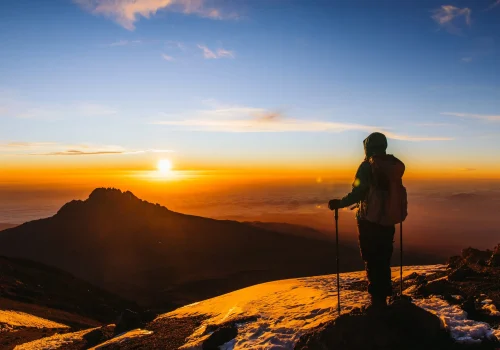
Summit night is the exception to the daily routine. You will wake around 11:00pm-12:00am, eat a light snack, and begin hiking by 12:00-1:00am. The climb takes 6-8 hours to reach Uhuru Peak, arriving around sunrise (6:00-7:00am).
Summit night is cold (-15°C to -25°C), dark, and exhausting. You will hike by headlamp in single file, following the guide's pace. The air is thin, and every step requires effort. But the reward — watching the sun rise over Africa from 5,895m — makes it all worthwhile.
After summiting, you descend to Mweka Camp (5-7 hours), completing the most epic day of the entire climb.