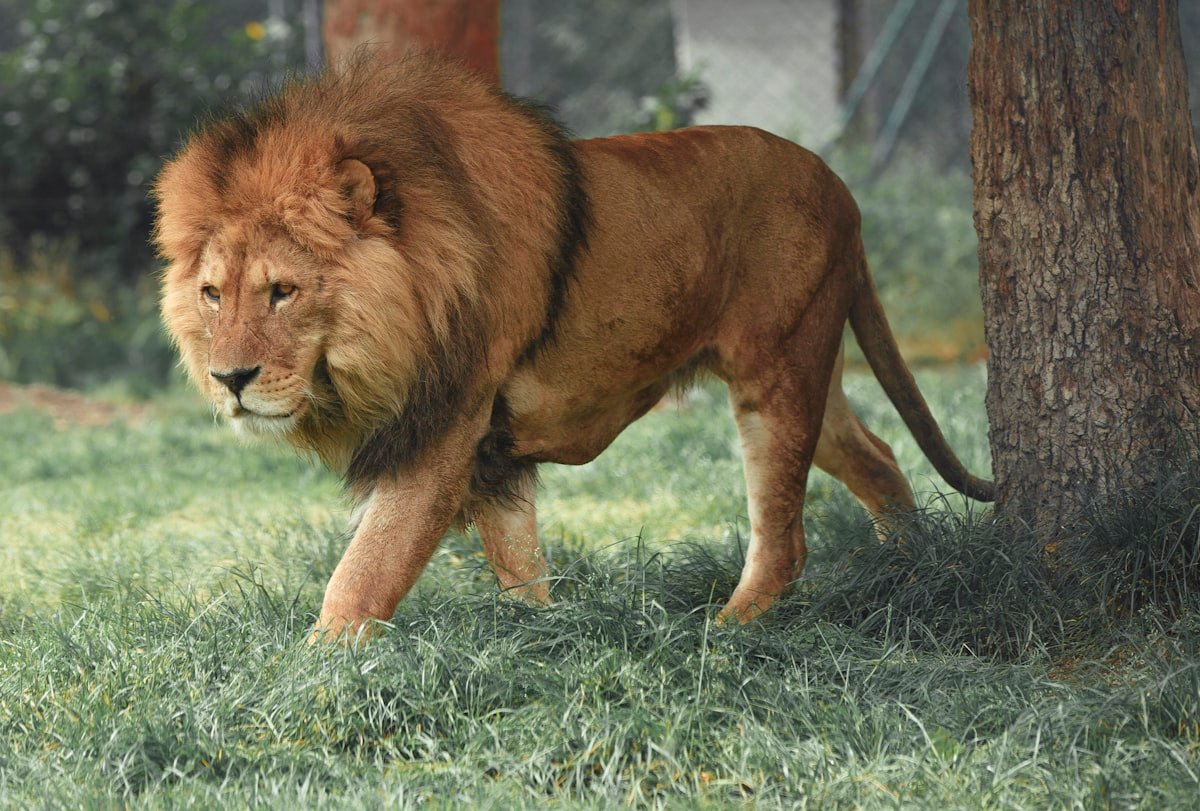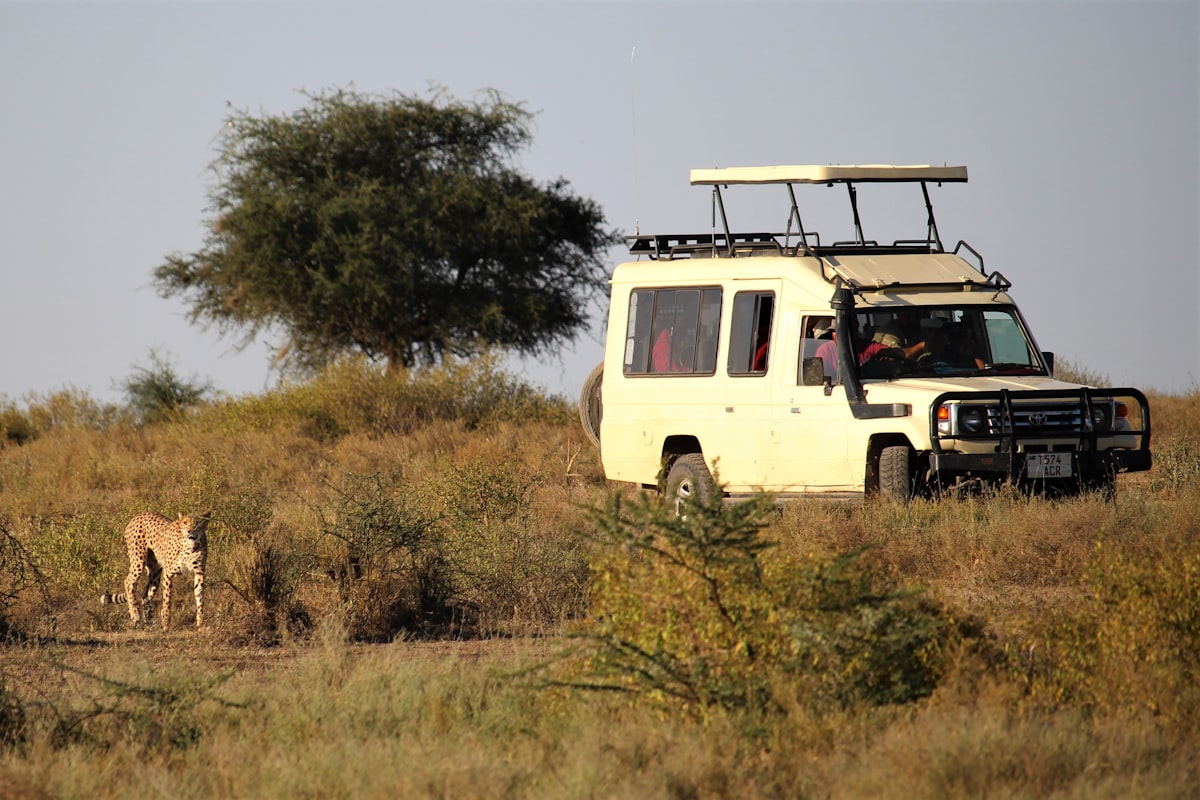
Want to capture stunning wildlife photos on your safari? You do not need expensive gear — just the right techniques. Here are essential tips for beginners to photograph African wildlife.
Wildlife photography on safari is both thrilling and challenging. Animals do not pose, light changes constantly, and you have seconds to capture the perfect shot. These tips will help beginners take stunning photos, even with basic camera equipment.
Table of Contents
Camera Gear
You do not need the most expensive equipment for great safari photos. Here is what matters:
- Camera body — any DSLR or mirrorless camera works; smartphone cameras are also excellent
- Zoom lens — 200-400mm is ideal for wildlife; 70-200mm works for closer encounters
- Wide-angle lens — for landscapes and camp scenes
- Extra batteries — cold mornings drain batteries faster
- Memory cards — bring plenty; you will shoot more than expected
- Dust protection — keep camera in sealed bag on dusty roads
Camera Settings
Use these settings as a starting point:
- Shutter priority — set to 1/500s or faster to freeze animal movement
- ISO — start at 400-800; increase in low light
- Aperture — f/5.6-f/8 for sharp subjects with blurred backgrounds
- Autofocus — continuous autofocus (AF-C) for moving animals
- Drive mode — burst mode for action shots (hunting, running)
- Metering — spot metering for animals against bright skies
Composition Tips
- Eye contact — focus on the animal's eyes; they draw viewers in
- Rule of thirds — place the animal off-center for dynamic composition
- Get low — shoot from eye level when possible (ask your guide)
- Leave space — give the animal "room" to move into the frame
- Include environment — wide shots showing habitat tell a story
- Wait for behavior — yawning, grooming, playing are more interesting than static poses
Lighting
Light is everything in photography:
- Golden hour — first and last hour of sunlight provide warm, soft light
- Avoid midday — harsh overhead light creates unflattering shadows
- Backlighting — position the sun behind you for front-lit subjects
- Silhouettes — shoot toward the sun for dramatic animal outlines
- Overcast days — soft, even light is actually excellent for wildlife
Animal Behavior
Understanding animal behavior helps you anticipate shots:
- Lions — most active at dawn and dusk; hunt in early morning
- Elephants — active all day; look for dust bathing and social interactions
- Leopards — often in trees; patience is key
- Birds — learn flight patterns for action shots
- Predator hunts — watch for alert body language; be ready
Common Mistakes
- Too much zoom — not every animal needs a tight headshot; include context
- Ignoring backgrounds — cluttered backgrounds distract from the subject
- Chimping — checking every photo on the screen wastes time; shoot first, review later
- Not shooting enough — take many shots; the best one is often not the first
- Forgetting people shots — photos of guides and fellow travelers add memories