Tanzania has two main seasons: dry and wet. Understanding the weather patterns helps you choose the best time for your safari. Here is a month-by-month breakdown of Tanzania's climate.
Tanzania straddles the equator, giving it a tropical climate with two main seasons: dry and wet. The weather varies significantly by region — coastal Zanzibar is hot and humid, while the Serengeti has cool mornings and warm afternoons. Here is your complete guide to Tanzania's weather.
Table of Contents
Weather Overview
Tanzania has a tropical climate with temperatures ranging from 20-30°C on the coast to 10-25°C at higher elevations. The country experiences two rainy seasons and two dry seasons. Weather patterns are influenced by altitude, proximity to the ocean, and the Intertropical Convergence Zone (ITCZ).
Dry Season (June-October)
The long dry season is the best time for safaris and Kilimanjaro climbing:
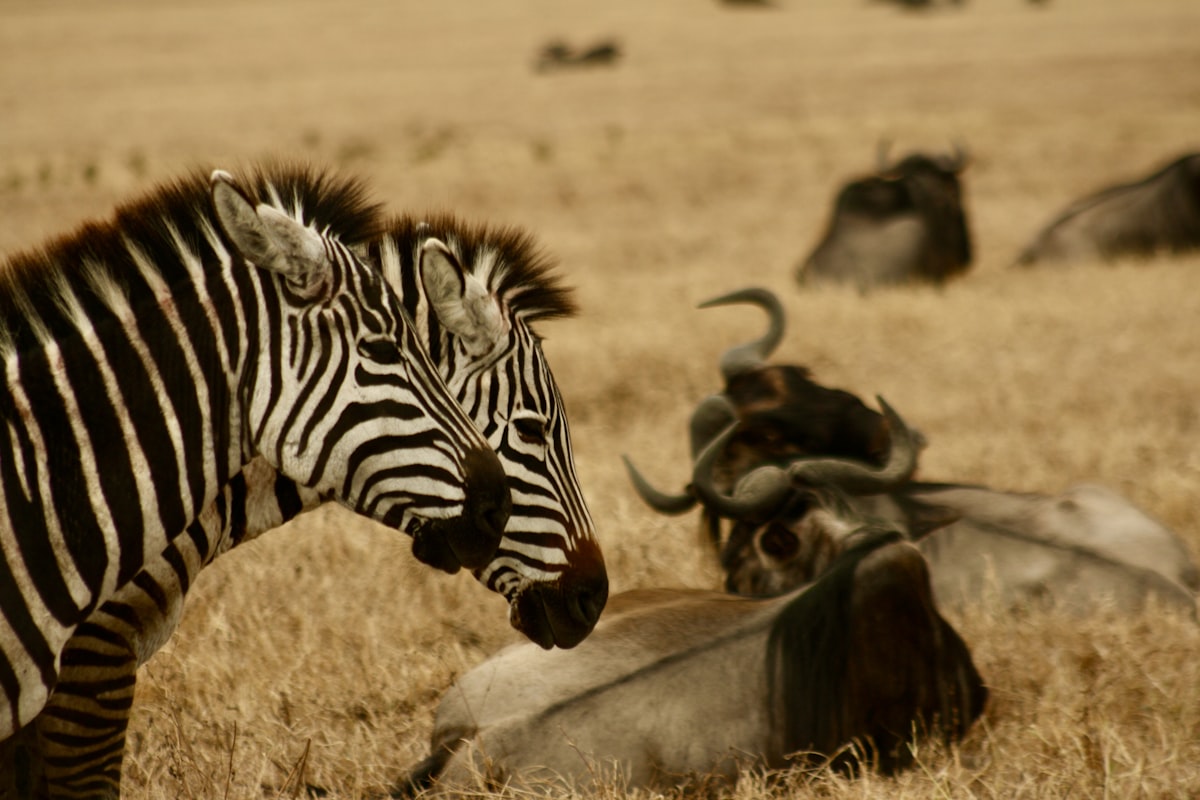
- Wildlife viewing — animals concentrate around water sources; vegetation thins out
- Roads — passable; fewer 4x4 required
- Temperature — warm days (25-30°C), cool nights (10-15°C)
- Rainfall — minimal; occasional light showers
- Crowds — peak tourist season; book early
Wet Season (November-May)
The rainy season has its own beauty:
- Green landscapes — lush vegetation, wildflowers in bloom
- Migration — calving season in Serengeti (January-March)
- Fewer tourists — lower prices, quieter parks
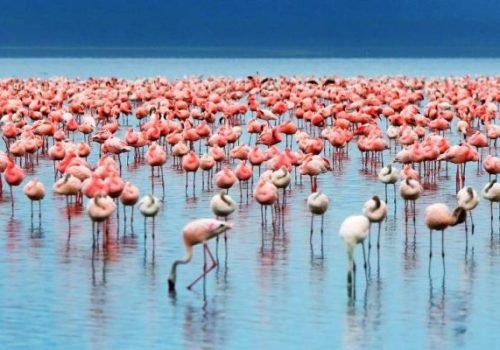
- Birdwatching — migratory birds arrive (November-March)
- Roads — can be muddy and challenging
Month-by-Month Guide
| Month | Season | Best For |
|---|---|---|
| January | Short dry | Serengeti calving, beach |
| February | Short dry | Serengeti calving, Kilimanjaro |
| March | Long rains begin | Budget safaris, fewer crowds |
| April | Long rains | Low season, green landscapes |
| May | Long rains | Low season, best prices |
| June | Dry season begins | Safari, Kilimanjaro |
| July | Dry | Best safari, Great Migration |
| August | Dry | Best safari, river crossings |
| September | Dry | Best safari, migration |
| October | Dry ends | Safari, Kilimanjaro |
| November | Short rains | Birdwatching, green season |
| December | Short rains | Holiday safari, beach |
Regional Differences
Northern Tanzania (Serengeti, Ngorongoro, Kilimanjaro)
Cool mornings (10-15°C), warm afternoons (20-28°C). Kilimanjaro can be freezing at the summit (-15°C to -25°C). Best weather June-October.
Coastal Tanzania (Dar es Salaam, Zanzibar)
Hot and humid year-round (25-35°C). Rain can be heavy during wet season. Best beach weather June-October and December-February.
Southern Tanzania (Selous, Ruaha)
Hot and dry June-October. Very hot November-March (35°C+). Remote and fewer tourists year-round.
Frequently Asked Questions
When is the best time for safari?
The dry season (June-October) offers the best wildlife viewing. Animals concentrate around water sources and vegetation thins out, making them easier to spot. However, the wet season has its own beauty with green landscapes and fewer tourists.
Can I visit Tanzania during the rainy season?
Absolutely. The rainy season (November-May) offers lower prices, fewer crowds, and beautiful green landscapes. Some parks like Selous and Ruaha are excellent year-round. Just be prepared for muddy roads and afternoon thunderstorms.
What should I wear for different seasons?
Bring layers regardless of season. Mornings are always cool, even during the dry season. A fleece or jacket is essential. During rainy season, a waterproof jacket is a must. Sun protection is important year-round.
Is Kilimanjaro climbable year-round?
The best months are January-February and June-October. The summit can be attempted year-round, but rainy seasons (March-May, November) bring snow and cold temperatures that make climbing more challenging.