Complete guide to preparing for your Kilimanjaro climb — fitness training, mental preparation, gear checklist, and what to expect.
How to Prepare for Kilimanjaro
Climbing Kilimanjaro requires proper physical and mental preparation. Here is a comprehensive guide to help you get ready.
Physical Training
Start training at least 3-6 months before your climb. Focus on:
- Cardiovascular fitness: Running, cycling, swimming, hiking. Build endurance for 6-8 hours of daily trekking.
- Leg strength: Squats, lunges, step-ups, calf raises. You will be climbing steep terrain with a daypack.
- Core strength: Planks, Russian twists, back exercises. A strong core helps with balance and carrying loads.
- Hiking: Practice on hilly terrain with a weighted backpack. Start with short hikes and gradually increase duration.
Mental Preparation
Kilimanjaro is as much a mental challenge as a physical one. Prepare yourself for:
- Long days of trekking (6-8 hours)
- Cold temperatures, especially at night
- Altitude effects — headache, nausea, fatigue
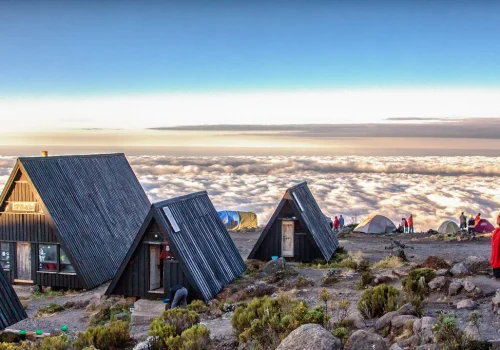
- Basic toilet facilities
- Simple camp meals
- Being away from modern comforts
Acclimatization
Altitude sickness is the biggest challenge on Kilimanjaro. To prepare:
- Choose a longer route (7-8 days) for better acclimatization
- Follow the "pole pole" (slowly slowly) principle
- Stay hydrated — drink 3-4 liters per day
- Inform your guide immediately if you feel unwell
- Consider arriving in Tanzania 1-2 days early to acclimatize
Gear Checklist
- Broken-in hiking boots with ankle support
- Layering system — base, insulation, waterproof shell
- Sleeping bag rated to -10°C to -20°C
- Trekking poles
- Headlamp with extra batteries
- Water bottles or hydration system (3L minimum)
- Daypack (30-35 liters)
- Sunscreen, sunglasses, lip balm with SPF
- Personal medications and first aid kit
Nutrition and Hydration
- Train your body to eat while exercising
- Practice eating energy bars, nuts, and dried fruit during workouts
- On the mountain, eat as much as you can — your body needs fuel
- Drink water consistently throughout the day
- Avoid alcohol before and during the climb
What to Expect on the Mountain
- Day 1-2: Rainforest zone. Warm, humid. Easy hiking.
- Day 3-4: Moorland zone. Cooler. Vegetation thins.
- Day 5-6: Alpine desert zone. Cold. Very little vegetation.
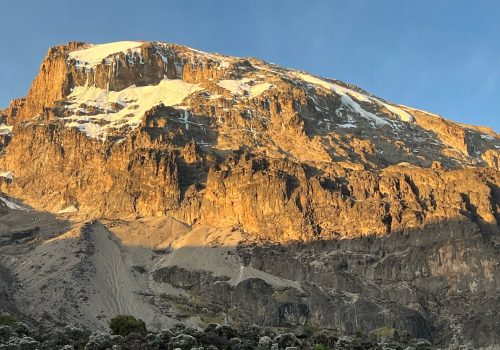
- Day 7: Summit zone. Freezing temperatures. Thin air. Snow possible.
- Summit night: Leave midnight. Climb 6-8 hours to summit. Descend 4-6 hours.
Common Mistakes to Avoid
- Starting too fast — pace yourself
- Ignoring altitude symptoms — tell your guide
- Not training enough beforehand
- Packing too much — keep your daypack light
- Not drinking enough water
- Choosing the cheapest operator — quality matters