The word 'safari' comes from Swahili meaning 'journey'. But modern safaris are so much more than a trip — they are immersive wildlife experiences. Learn what a safari really is and why Tanzania is the ultimate destination.
The word "safari" comes from the Swahili language, meaning "journey." But a modern African safari is so much more than a trip — it is an immersive experience that connects you with wildlife, landscapes, and cultures unlike anywhere else on Earth.
Table of Contents
What is a Safari?
A safari is an overland journey to observe wildlife in their natural habitat. The concept originated in East Africa, where vast savannas and diverse ecosystems support incredible concentrations of animals. Today, safaris range from budget camping trips to ultra-luxury experiences in private conservancies.
The essence of a safari is observation — watching animals behave naturally in the wild. Unlike zoos or theme parks, safaris offer unscripted encounters with wildlife in landscapes that have remained unchanged for thousands of years.
History of Safaris
The concept of safari dates back centuries:
- Pre-colonial era — local communities hunted and traded wildlife products
- 19th century — European explorers documented African wildlife
- Early 1900s — "safari" became associated with big-game hunting expeditions
- 1950s-60s — photographic safaris replaced hunting; conservation movement began
- Modern era — eco-tourism, community conservancies, and sustainable travel
Today's safaris focus on conservation and education, not hunting. Tourism revenue funds national parks and supports local communities, making safaris a force for good.
Types of Safari
Game Drive Safari
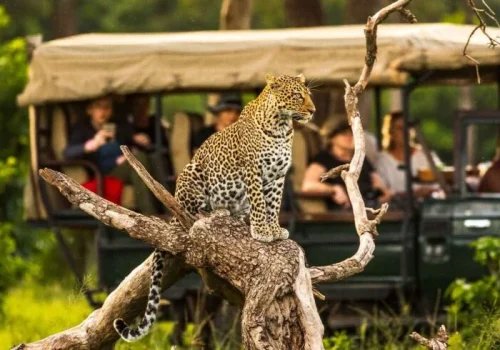
The most common type. You travel in a 4x4 vehicle with a guide, exploring parks during morning and afternoon drives. Suitable for all ages and fitness levels.
Walking Safari
Explore the bush on foot with an armed ranger. Experience wildlife up close, learn about tracks and plants, and feel the African wilderness surrounding you. Available in selected parks and conservancies.
Hot Air Balloon Safari
Float above the Serengeti at dawn, watching wildlife from the air. Landing in the bush for a champagne breakfast. A magical, once-in-a-lifetime experience.
Night Safari
Explore the bush after dark with spotlights. See nocturnal animals like leopards, hyenas, aardvarks, and bush babies. Not available in all parks.
Fly-In Safari
Use small aircraft to hop between remote camps. Saves time on long drives and offers aerial views of the landscape. Perfect for those with limited time.
Mobile Camp Safari
Follow the Great Migration with移动 camps that relocate seasonally. Experience the raw, untamed wilderness of the Serengeti.
Why Tanzania?
Tanzania offers the most complete safari experience in Africa:
- Serengeti National Park — home to the Great Migration, 2+ million wildebeest
- Ngorongoro Crater — world's largest volcanic caldera, highest density of wildlife
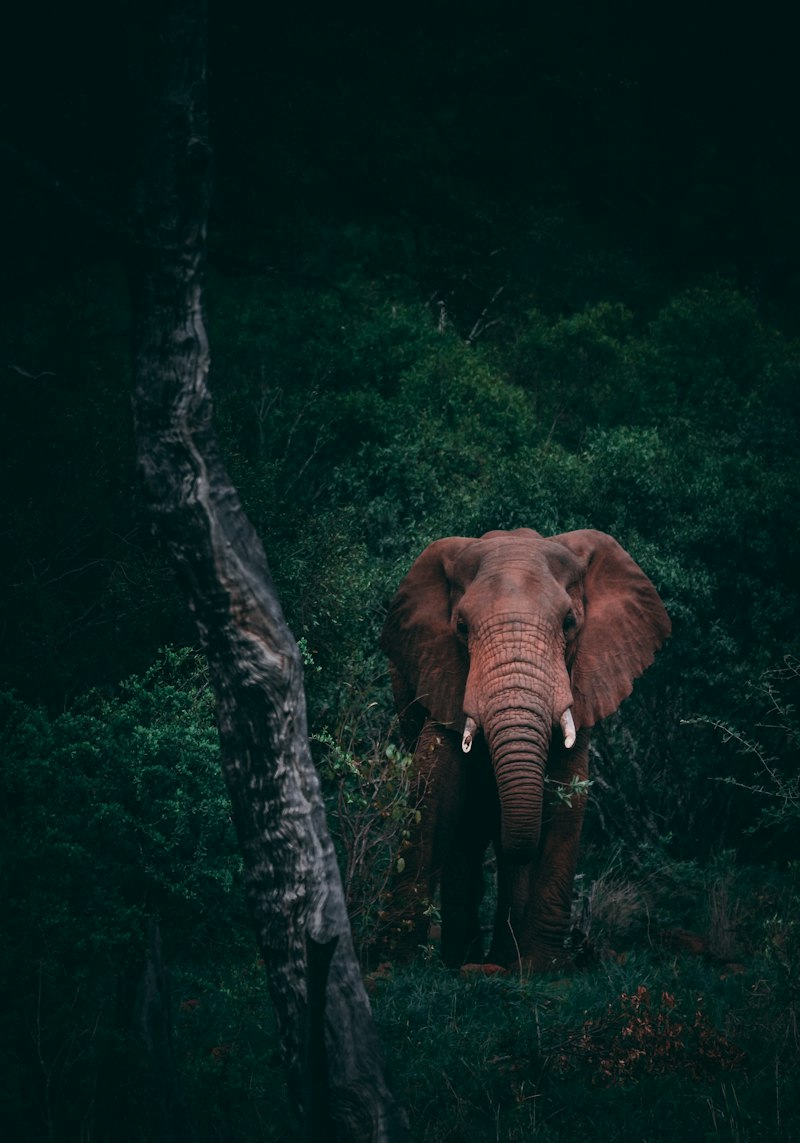
- Tarangire National Park — largest elephant herds in Tanzania
- Lake Manyara — tree-climbing lions, flamingo flocks
- Selous & Ruaha — remote, wild, fewer tourists
- Zanzibar — combine safari with beach relaxation
Tanzania also has excellent infrastructure, English-speaking guides, and a stable political environment, making it ideal for first-time safari-goers.
Frequently Asked Questions
How long should a safari be?
Most safaris are 3-7 days. A 3-day safari covers one park well; 5-7 days allows you to visit 2-3 parks for a more diverse experience. For the Great Migration, 5+ days in the Serengeti is recommended.
Is a safari safe?
Yes, when conducted with professional guides. You stay in the vehicle during game drives, follow guide instructions, and camps have security. Wildlife incidents are extremely rare.
Can children go on safari?
Most lodges welcome children over 6-8 years old. Some offer family-friendly activities. Walking safaris and night drives usually have minimum age requirements (12-16 years).
What is the best time for safari?
The dry season (June-October) offers the best wildlife viewing. Animals concentrate around water sources, vegetation thins out, and roads are passable. The wet season (November-May) has green landscapes and fewer tourists.